Case Study

How a Strategic Site Merger Boosted Sales 16% While Eliminating Dual-Store Chaos

Client: Foodocracy
Project Type: Shopify Site Merger & Redesign
Timeline: 4 Months
Results: 16% sales increase, 39% organic traffic growth, unified brand experience
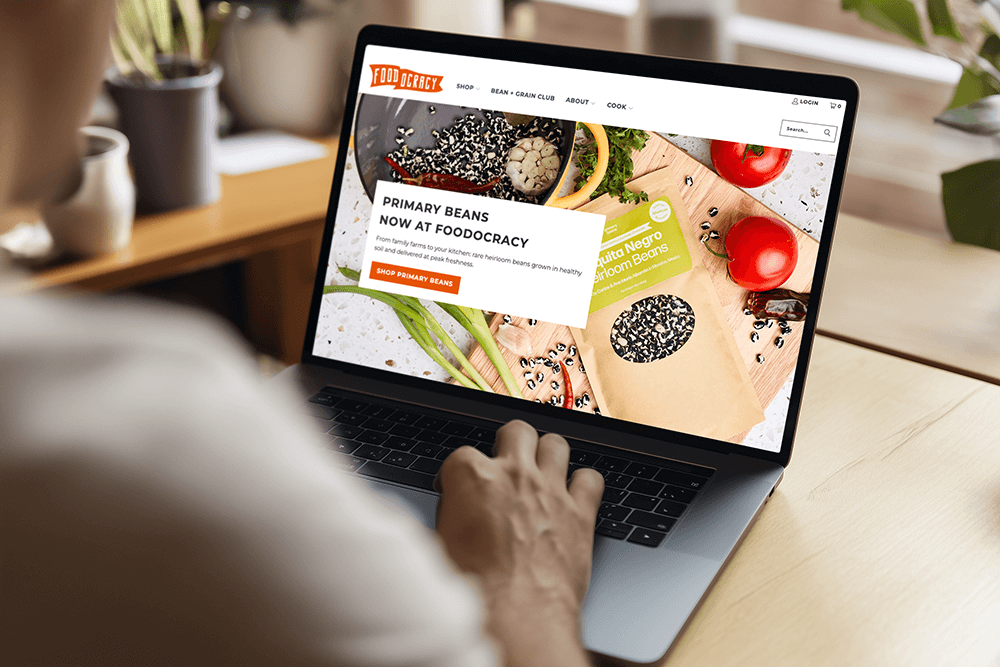
Foodocracy Website Design
Product images

Multiple pain points:

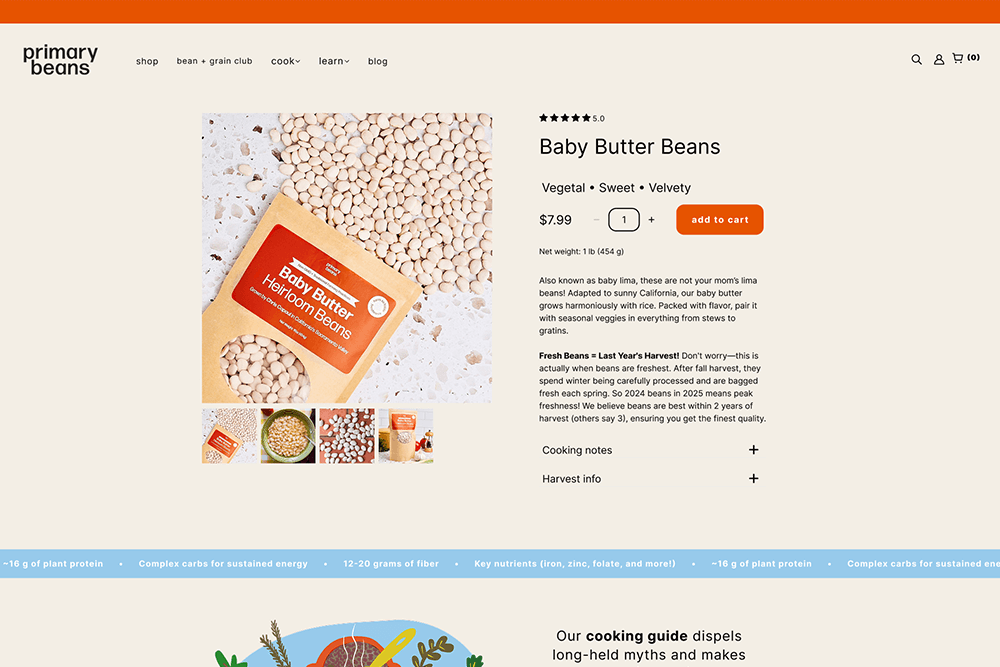
  • Maintenance nightmare: The Primary Beans site was built entirely in PageFly, meaning even simple updates took hours. She told me, "It took me days just to update one page because we're changing packaging. There are tons of tiny little updates around the site."

  • Overlapping audiences: Both brands were selling to similar customers, creating marketing confusion

  • Split focus: Managing two separate inventories, two sets of analytics, two marketing strategies

  • Sustainability concerns: She couldn't scale either business effectively while juggling both


Why This Matters

This isn't just about making updates easier (though that's important). Running two overlapping e-commerce stores means:

  • Splitting your SEO authority across two domains
  • Duplicate marketing efforts
  • Confused brand identity
  • Higher operational costs
  • Slower growth for both brands

I've seen this pattern many times in my 20 years building websites: acquisition looks great on paper, but the technical integration is where brands either thrive or get stuck.
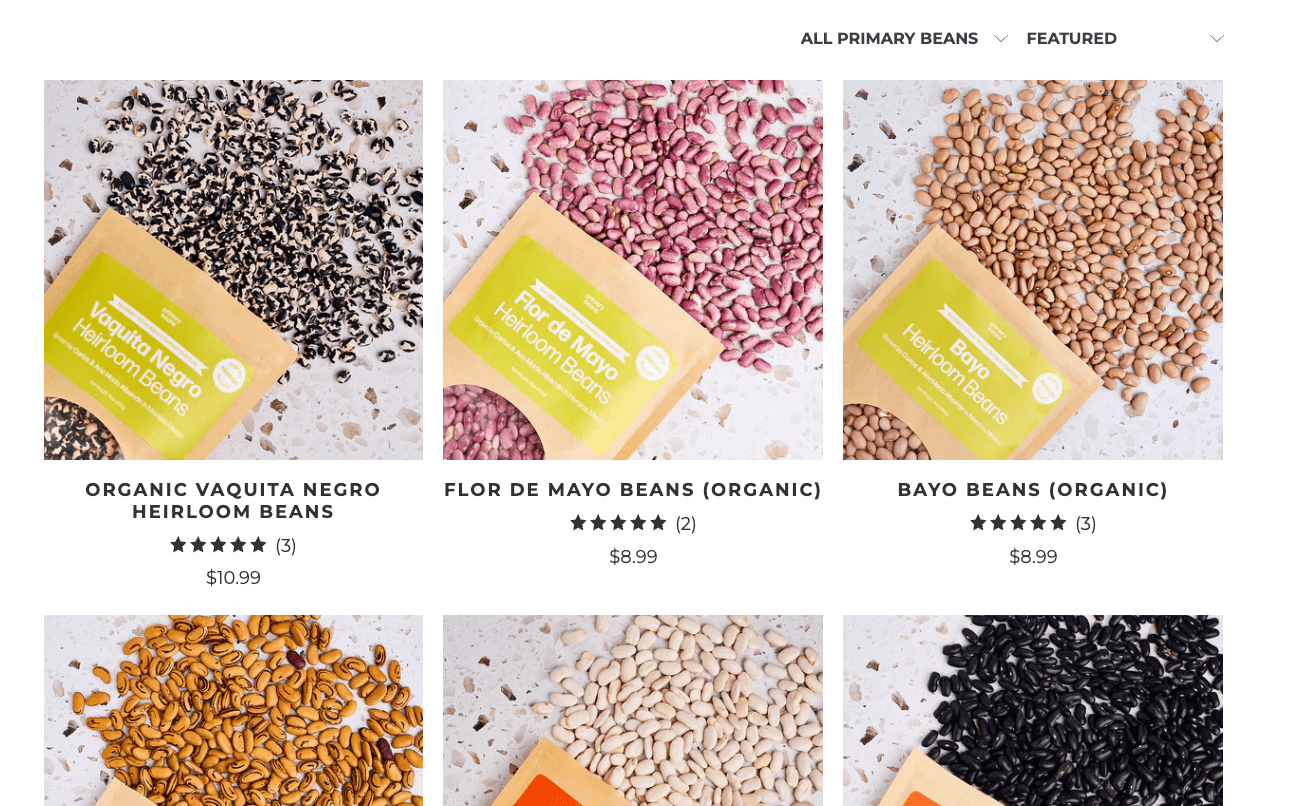
collections page

My Approach: Strategy Before Design

I don't jump straight into design or development. When the business question is "should we merge or rebuild?", the answer requires data, not just opinions.

The Process: A Methodical Migration

I've done enough site migrations to know that the planning phase is more important than the execution phase. Rush this, and you blow up your SEO. Do it right, and you come out stronger.

I created a comprehensive Technical Strategy Map for both sites, analyzing:

SEO & Domain Authority:

  • Which site had stronger organic rankings?
  • Where was traffic coming from?
  • Which pages were driving the most value?
  • What would we risk losing in a migration?

Customer Flow:

  • How were customers finding each site?
  • Were there overlapping customer bases?
  • What was the checkout experience on each?
  • Where were the conversion friction points?

Technical Infrastructure:

  • Theme capabilities and limitations
  • PageFly dependencies on Primary Beans
  • Content management complexity
  • App integrations and dependencies

Brand Fit:

  • Could Primary Beans maintain its identity under the Foodocracy umbrella?
  • How would customers perceive the merger?
  • What brand elements needed to be preserved?

The Recommendation: Merge

After analyzing everything, the answer was clear: merge Primary Beans into Foodocracy with a dedicated landing page.

Why merge made sense:

  1. Cost efficiency: Rebuilding Primary Beans would have been expensive and still left her with two stores to manage
  2. SEO consolidation: Combining domain authority would strengthen both brands
  3. Operational simplicity: One inventory, one marketing funnel, one analytics dashboard
  4. Customer clarity: A single destination for all her specialty food products
  5. Scalability: Focus growth efforts on one platform instead of splitting resources

The risks we needed to manage:

  • Preserving Primary Beans' organic search rankings
  • Maintaining brand identity for loyal Primary Beans customers
  • Ensuring seamless 301 redirects so no traffic was lost
  • Keeping conversion rates strong through the transition

I created detailed documentation for every step:

Page-by-page redirect mapping:

  • Every Primary Beans URL mapped to its new Foodocracy destination
  • Preserved page hierarchy where it made sense
  • Combined redundant pages to avoid thin content
  • Identified orphan content that needed new homes

Content preservation plan:

  • Which Primary Beans content ranked well and needed to be preserved exactly
  • Which content could be improved during the migration
  • How to maintain brand voice while integrating into Foodocracy

SEO protection checklist:

  • 301 redirects for every single page (including product pages, blog posts, category pages)
  • Google Search Console setup and monitoring
  • Sitemap updates
  • Internal linking strategy to pass authority to new pages

Before touching any code, I needed to understand what "best in class" looked like and how to improve the customer journey.

Competitor research:

  • Analyzed 5-7 specialty food brands with similar audiences
  • Identified common navigation patterns
  • Noted features that drove conversions
  • Documented what made their shopping experiences work

Customer journey mapping: I created detailed wireframes showing:

  • How a customer would discover Primary Beans products on Foodocracy
  • Navigation flow from homepage → Primary Beans landing page → product pages → checkout
  • How to maintain Primary Beans' brand identity within the larger Foodocracy ecosystem
  • Where to place trust signals (reviews, origin stories, farming practices)

Site architecture visualization: I mapped out the entire site structure showing:

  • How Primary Beans would fit into Foodocracy's navigation
  • Collection pages organization
  • Product categorization
  • Content hierarchy

My client hired a brand designer to refresh the Foodocracy visual identity. My job was to take those new brand assets and apply them strategically:

What the designer provided:

  • Updated logo
  • Color palette
  • Typography guidelines

What I did:

  • Integrated the new brand identity into Figma designs
  • Designed the Foodocracy homepage layout
  • Created a dedicated Primary Beans landing page that felt like "Primary Beans" while clearly being part of Foodocracy
  • Designed product page templates
  • Built out the navigation system

The goal: Make it feel cohesive while giving Primary Beans its own visual territory.

Design phase:

  • Homepage design and layout
  • Primary Beans landing page
  • Product templates
  • Collection page designs

Migration & implementation:

  • Content migration from Primary Beans to Foodocracy
  • URL redirect implementation (301s for every page)
  • Theme customization in Turbo
  • SEO technical fixes and optimization
  • Internal linking updates
  • Testing across devices and browsers

Launch: The new merged site went live with Primary Beans fully integrated into Foodocracy.

Migration work isn't done at launch. The critical period is the 2 weeks after launch when you need to:

Immediate post-launch:

  • Monitor Google Search Console for crawl errors
  • Fix any broken redirects or 404s
  • Submit updated sitemap to Google
  • Watch analytics for traffic drops
  • Test all redirects manually

Ongoing optimization:

  • Let Google re-crawl and re-index the new structure (2 weeks)
  • Monitor rankings for key terms
  • Fix any issues that emerged
  • Report on traffic and conversion trends

Final redirect:
After confirming the migration was successful and rankings were stable, we redirected primarybeans.com to shopfoodocracy.com. This was the final step in consolidating everything under one domain
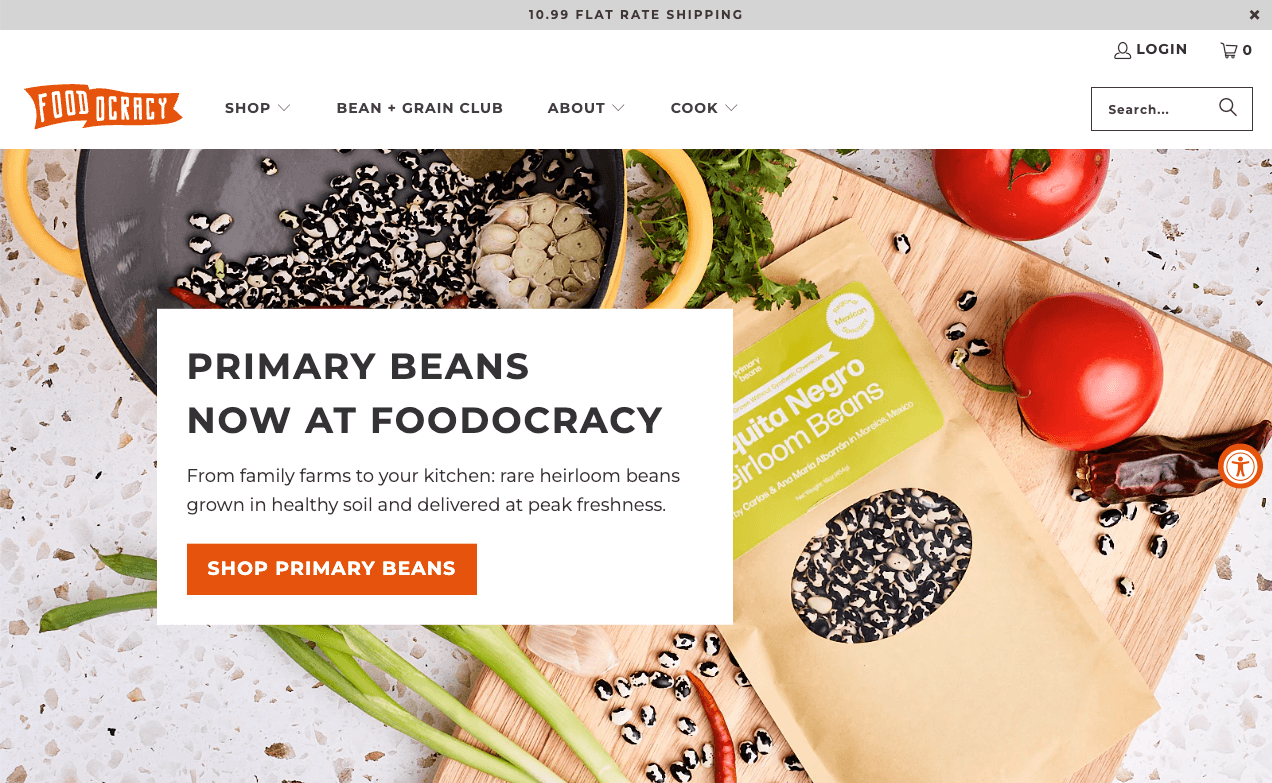

After:

New landing page
Nico Barclay

The Bottom Line

Within three months of launching the merged site, Foodocracy saw:

  • 16% sales increase year over year
  • 39% organic traffic growth
  • One unified brand instead of two competing properties
  • Operational simplicity that freed up the founder's time to focus on growth

This is why I start every project with a Technical Strategy Map. When you understand what the business actually needs, not just what the website looks like, the build becomes a growth tool instead of a risk.

Dealing with a similar challenge? Let's talk about how a strategic approach can simplify your tech stack and support your growth. Set up a project consultation.